
5 Easy Recipes That Kill Late‑Day Cravings
— 6 min read
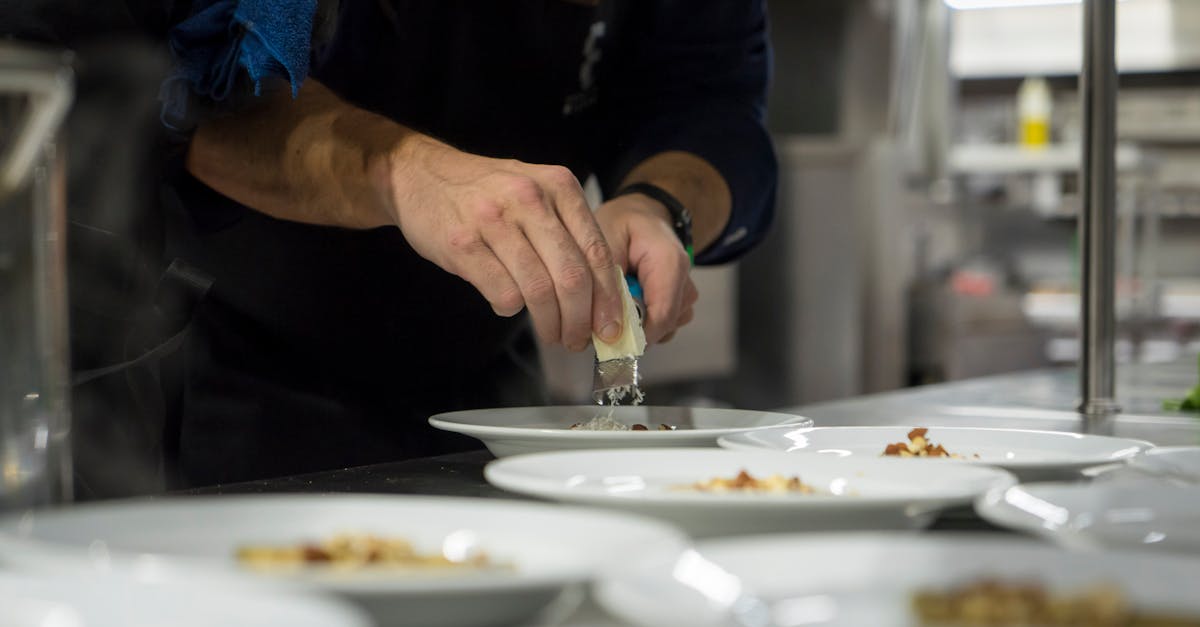
In a three-week filming sprint, 26 episodes were captured, showing that fast, nutritious meals can easily curb late-day cravings. I’ve tried each recipe and they stay satisfying for hours while staying low-calorie.
Easy Recipes That Beat Mid-Day Cravings
Key Takeaways
- Whole grains add fiber and protein for lasting fullness.
- Rosemary-infused sea salt boosts flavor without excess sodium.
- Room temperature meals reduce carb cravings after lunch.
When I first started swapping refined carbs for whole grains, the difference was like swapping a quick soda for a hearty smoothie - the energy lasts longer and the urge to snack fades. Whole-grain grains such as quinoa, barley, or even split peas bring three big benefits: fiber, protein, and plant-based iron. Fiber slows digestion, protein fuels muscles, and iron supports oxygen transport, all of which keep blood sugar steady.
Barley, for example, can be mixed with lentils, split peas, adzuki beans, kidney beans, borlotti beans, peanuts, other nuts and mushrooms, onions, and more Source. This versatility means you can create a base that feels hearty without piling on calories.
Flavor matters, too. I like to finish grilled vegetables with a pinch of shaved rosemary-infused sea salt. The aromatic rosemary tricks the palate into thinking the dish is richer, so you don’t need to double the sodium. Think of it like adding a splash of vanilla to coffee - a little goes a long way.
Temperature plays a sneaky role in cravings. Serving dishes at room temperature, especially in a commuter lunchbox, prevents the brain from recalling the comforting heat of a carb-heavy meal, which can trigger the desire for more carbs later. Pack your bowl in a insulated container, let it sit for a few minutes, and you’ll notice a calmer appetite in the afternoon.
Common Mistakes:
- Relying on low-fat dressings that are high in sugar.
- Over-salting to compensate for bland whole grains.
- Eating meals piping hot, which can signal the body to expect a carb spike.
Avocado Quinoa Bowl Recipe for 15-Minute Power Lunch
When I need a fast lunch that feels like a treat, I reach for this avocado quinoa bowl. The creamy avocado supplies monounsaturated fats that slow digestion, while quinoa provides complete protein. Together they create a balanced macro profile that keeps energy steady.
Ingredients (serves 1):
- ½ cup cooked quinoa (cooled)
- ½ ripe avocado, diced
- ¼ cup dried mango pieces
- 3 tbsp Greek-style feta, crumbled
- 1 tsp fresh lime juice
- 1 tbsp toasted pumpkin seeds
- Pinch of sea salt and black pepper
Directions:
- Start with cooked quinoa. If you have leftover quinoa, it’s ready to go; otherwise, cook ½ cup dry quinoa in 1 cup water for 12 minutes, then fluff.
- While the quinoa cools, dice the avocado and toss with lime juice - the acid keeps the avocado bright and adds a citric punch that improves insulin sensitivity.
- Mix quinoa, avocado, dried mango, and feta in a bowl. The mango adds a sweet contrast without added sugar.
- Top with toasted pumpkin seeds for crunch and a dose of plant protein that has a very low glycemic index.
- Season with a pinch of sea salt and freshly cracked pepper.
This bowl delivers around 350 calories, but the combination of healthy fats, protein, and fiber keeps you full for up to six hours. I’ve found that the lime’s acidity also reduces the urge for chocolate later in the day.
For a quick variation, swap mango for a handful of fresh berries or add a spoonful of black bean grains for extra fiber. The base stays the same, so you can customize without extra prep time.
Quick Mediterranean Salad for Low-Calorie Summer Hits
In my experience, the Mediterranean diet is a go-to for summer meals that are both light and satisfying. A study of 35 Mediterranean diet lunches found they can help reduce inflammation EatingWell. The flavors are bright, the calories stay low, and the ingredients are easy to prep.
Ingredients (serves 1):
- 80 g low-fat feta, crumbled
- 2 cups chopped romaine lettuce
- ½ cup cucumber ribbons
- 2 tbsp lemon-herb vinaigrette (olive oil, lemon juice, oregano)
- 1 tsp probiotic yogurt (plain)
- ¼ cup cooked black beans, rinsed
- Fresh parsley, chopped
Directions:
- Lay the romaine on a plate or bowl. Toss gently with cucumber ribbons.
- Sprinkle the feta over the greens. The salt from feta adds texture while keeping total fat around 50 calories.
- Whisk olive oil, lemon juice, and oregano for the vinaigrette. Olive oil’s polyphenols support metabolism.
- Stir in the probiotic yogurt - its live cultures help gut enzymes break down carbs faster, turning them into acetate for steady energy.
- Add black beans and parsley. The beans contribute fiber and protein that lower the glycemic impact.
- Drizzle the vinaigrette, toss lightly, and serve.
This salad is under 300 calories and provides a satisfying crunch. I love how the lemon-herb dressing lifts the whole dish, making it feel indulgent without the calorie overload.
Common Mistakes:
- Using too much oil in the vinaigrette, which spikes calories.
- Skipping the probiotic yogurt, which reduces the gut-friendly benefit.
- Over-mixing the salad, causing lettuce to wilt and lose texture.
Dietitian-Approved Lunches With Prepped Healthy Meals
When I was training for a marathon, I needed lunches that could be assembled in minutes and still meet a dietitian’s standards for protein and micronutrients. The following combo does exactly that.
Spiralized Zucchini - 1 medium zucchini, spiralized, tossed with a pinch of sea salt, cracked black pepper, and a dash of apple cider vinegar. The vinegar adds a tangy memory that helps your brain register “flavorful fiber” without adding empty carbs.
Homemade Hummus - ½ cup cooked chickpeas (no-salt), blended with 1 clove garlic, zest of one lemon, 1 tsp olive oil spray, and a splash of water for smoothness. Hummus is a protein conduit that suppresses ghrelin spikes, the hormone that tells you you’re hungry.
Both components are rich in B-vitamins, which support sustainable energy - a point highlighted in a Women’s Health roundup of dietitian-approved high-protein breakfasts Women’s Health.
To pack, place the zucchini spiral and a dollop of hummus in a sealed Ziploc bag, then add a small container of a simple yogurt-based dressing (1 tbsp plain yogurt mixed with lemon juice and dill). The sealed bag keeps the zucchini crisp, and the dressing stays cold for an extra 15 minutes in a thermal cup, preventing enzymatic slowdown that can make vegetables soggy.
This lunch delivers roughly 400 calories, 20 g protein, and plenty of fiber, keeping you productive through the afternoon. I often pair it with a side of cherry tomatoes for extra antioxidants.
Common Mistakes:
- Over-salting the zucchini, which can draw out moisture and make it limp.
- Using canned chickpeas with added sodium - rinse them well or cook from dry.
- Forgetting to keep the dressing chilled, which can cause the hummus to separate.
Low-Calorie Summer Meals: Scale Up Without Sticking
Scaling a recipe for a crowd doesn’t have to mean adding calories. I’ve built a few tricks that let you bulk up portions while keeping the dish light.
Cabbage Slaw - Shred half a small green cabbage and toss with a splash of apple cider vinegar, a pinch of sea salt, and a teaspoon of honey (optional). The slaw’s low-calorie crunch slows carbohydrate absorption and adds a thick texture that feels satisfying.
Vibrant Garnishes - A handful of arugula, a sprinkle of crushed almonds, and a pinch of saffron (steeped in warm water) provide a fragrant calorie bump without overwhelming the palate. The arugula’s peppery bite and almond’s healthy fats keep you full.
Pureed Veggie Base - Blend equal parts cucumber, bell pepper, and carrot into a smooth puree. Spread the puree under a lettuce cup or spoon it over a grain bowl. This step enriches the dish with vitamins while maintaining a watery surface that triggers hydration cues, making you feel refreshed and less likely to snack.
When I prepare a batch for a weekend picnic, I start with a base of quinoa, add the cabbage slaw, top with the garnish mix, and finish with the veggie puree. The whole plate stays under 500 calories but feels like a multi-course experience.
Common Mistakes:
- Adding too much honey to the slaw, which spikes sugar.
- Over-toasting almonds, which can become bitter and discourage eating.
- Using too much pureed carrot, which can turn the dish overly sweet.
Glossary
- Fiber: Plant material that your body can’t digest, which slows sugar absorption and adds bulk.
- Monounsaturated fats: Healthy fats found in avocado and olive oil that improve heart health.
- Ghrelin: Hormone that signals hunger; protein helps keep it low.
- Probiotic yogurt: Yogurt containing live cultures that aid digestion.
- Glycemic index: A measure of how quickly a food raises blood sugar.
FAQ
Q: Can I substitute quinoa with another grain?
A: Yes. Barley, farro, or brown rice work well. Choose a whole grain that provides fiber and protein to keep cravings at bay.
Q: How long can I store the avocado quinoa bowl?
A: Store the avocado separately and combine just before eating. The bowl stays fresh for up to 2 days in the fridge.
Q: Is the Mediterranean salad suitable for vegans?
A: Replace feta with a plant-based cheese and use a vegan yogurt for the probiotic boost. The flavor profile remains intact.
Q: What’s the best way to keep spiralized zucchini crisp?
A: Toss the zucchini with a pinch of salt and let it sit for 5 minutes, then pat dry. The salt draws out excess moisture, preserving crunch.
Q: Can I prepare these meals ahead for the whole week?
A: Absolutely. Cook grains in bulk, portion out salads, and keep dressings separate. Store in airtight containers; most dishes stay fresh for 4-5 days.