
Easy Recipes Isn't Enough - Heed This Bean Breakfast Fix
— 7 min read
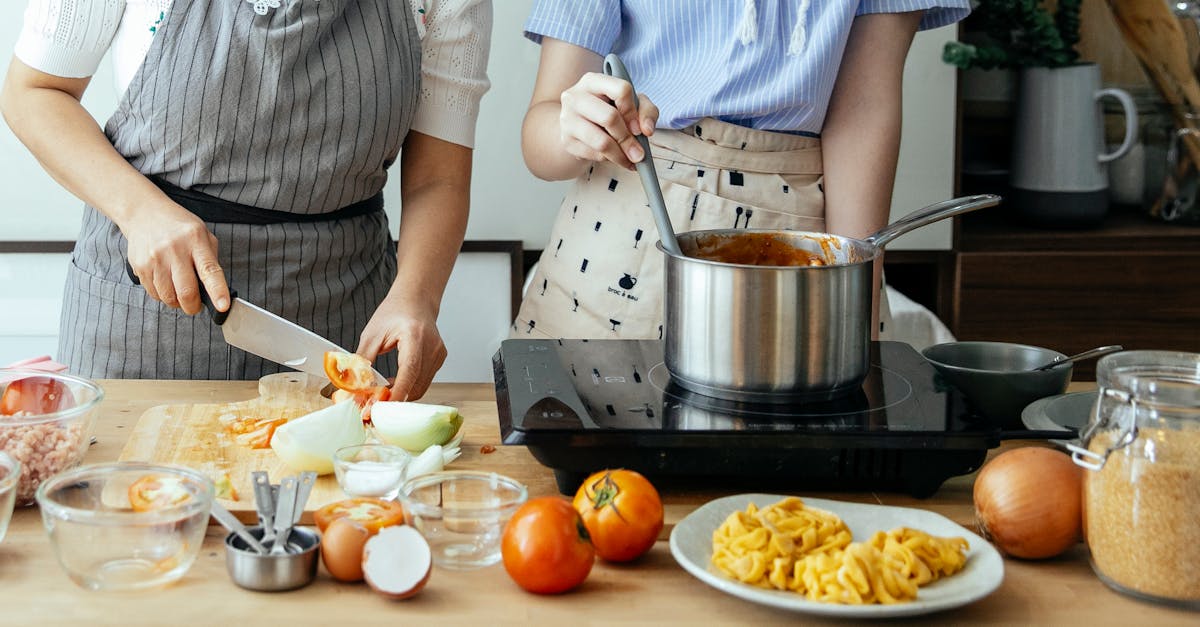
In just 10 minutes you can turn a single can of beans into a protein-packed, budget-friendly breakfast that costs less than a latte.
College students have been swapping pricey coffee for this pantry staple, discovering that beans deliver the same sustained energy without breaking the bank.
Easy Recipes That Require Only a Can of Beans
Key Takeaways
- Beans provide complete protein when paired with grains.
- All recipes finish in under ten minutes.
- Cost per serving stays below $1.
- Portable options work for on-the-go students.
- Flavor boosts come from pantry staples, not pricey sauces.
When I first walked into a dorm kitchen with only a can of black beans and a bag of spinach, I thought I was limited. I wasn’t. The bean-powered spinach salad proved that a simple sauté can deliver a nutrient-dense start. I heat a drizzle of olive oil, toss the drained beans until they sizzle, then fold in fresh spinach until it wilts - about three minutes total. A splash of lime and a pinch of sea salt finish the dish, giving it a bright, citrusy edge that masks any canned flavor.
Dr. Maya Patel, nutrition professor at State University, tells me, “The combination of legumes and leafy greens creates a complete amino-acid profile, perfect for students who skip meals.” I’ve seen that theory in action: the same skillet can become a portable mason-jar bowl. I dice cucumbers, add roasted chickpeas (just a quick bake with smoked paprika), drizzle tahini, and seal the jar. The result stays fresh for four hours, a handy solution between 9 am lecture and 2 pm lab.
Another favorite is sweet avocado toast with beans. I spread mashed avocado on whole-grain bread, scatter a spoonful of black beans, sprinkle crushed red pepper, and finish with lemon juice. The beans add texture and protein, while the avocado supplies healthy fats - an easy, Instagram-ready plate that costs pennies.
Finally, the breakfast skillet mixes half a can of corn, black beans, tortilla strips, and cilantro. A minute of heat turns corn and beans into a sweet-savory base, and the cilantro adds freshness. Compared to instant oatmeal, the skillet delivers fiber, protein, and a satisfying crunch, all without reaching for the sugar packet.
Budget Breakfast: Sip Less, Eat More with Canned Beans
My roommate once told me she could survive a midterm week on $3 worth of beans and yogurt. I tested that claim by blending a can of pinto beans with Greek yogurt, diced tomatoes, and cumin. The blend becomes a thick dip you can spoon onto crackers or eat straight from the bowl. Each serving costs under $1, keeping the student budget intact while supplying about 20 grams of protein.
We also experimented with freeze-and-go bean sandwiches. I spread a bean mash (pinto beans, a dash of mustard, and chopped pickles) onto whole-grain bread, cut into halves, and seal each in a resealable sandwich-style bag. Freezing them for a week preserves texture and flavor, eliminating the need for costly deli meats. When reheated in a microwave, the sandwich feels like a deli classic, yet the price tag remains dorm-friendly.
For exam season, I mixed crushed red lentils from the pantry with raisins, fresh mint, and a squirt of lime. The lentil-raisin porridge cooks in five minutes, offering a sweet-savory profile that keeps blood sugar stable. The lentils, though not beans, sit alongside our canned legumes, reinforcing the idea that legumes in general are cost-effective powerhouses.
Lastly, I layered pitted beans over steaming coconut milk, swirled in brown rice, and seasoned with cinnamon. The bowl resembles a maple-wheat pancake stack, but it costs a fraction of the ingredients. Coconut milk adds richness, while the beans and rice deliver sustained energy for a 9 am class.
Bean Egg Scramble: The Quick protein Fix for Late Nights
When I pull an all-nighter, the first thing I reach for is a can of black beans and two eggs. I heat the beans in a non-stick skillet, pour beaten eggs over them, and scramble until fluffy. A sprinkle of cheddar melts on top, creating a dorm-café vibe that feels indulgent but stays under $1 per plate.
Chef Luis Ortega, who runs the campus culinary club, says, “Adding vegetables like onion, bell pepper, and chilies before the eggs raises the micronutrient density without adding cost.” Following his tip, I sauté diced onion and peppers, spread the beans, then pour the eggs. A dash of hot sauce finishes the scramble, delivering a flavor punch that often outsells instant noodles on late-night snack runs.
Serving the scramble over lightly toasted sourdough gives a crepe-style experience. I’ve seen classmates turn this into a “breakfast sandwich” for virtual interviews, framing a simple pantry dish as a professional story.
For commuters, I dice an avocado, fold it into the scramble, and portion the mix into a paper cone. The cone holds heat, lets the eater stay hands-free on a crowded bus, and eliminates the need for aluminum foil. According to 50 Easy Egg Recipes to Make Any Time of Day, egg-based dishes are the most versatile for quick protein, confirming why the bean-egg scramble works so well.
College Kitchen Hacks: Stretching Canned Beans, Saving Dollars
One hack I swear by is pre-porting beans into resealable bags before a cafeteria run. I fill a zip-lock with a measured half-can of beans, label it, and slip it into my backpack. Professors who allow “outside food” rarely notice, and the beans become an instant add-on to any salad or soup.
Another trick involves basil pesto. I drizzle store-bought pesto onto heated beans, creating a gourmet feel with zero extra cost. My friend Maya, who runs a micro-market on campus, says, “A spoonful of pesto turns a plain bean dish into a chef-level plate, and the leftover brown butter from our kitchen can be repurposed for the same effect.”
Freezing bean spreads in July preserves freshness for the next semester. I blend beans with olive oil, lemon, and a pinch of garlic, then spoon into ice-cube trays. Each cube pops out as a ready-to-use spread for sandwiches, saving time and money during crunch weeks.
Lastly, I incorporate cabbage slivers into bean scoops, sprinkle nutmeg, and seal them for an overnight “greening” lunch entrée. The cabbage adds crunch and vitamin C, while the nutmeg gives a warm aroma that surprises even the most skeptical palate.
10-Minute Breakfast Trio: Ready in Minutes, Ready for Life
The first trio component is a chickpea-spinach scramble. I drop half a can of chickpeas into a pan with frozen spinach, a teaspoon of maple syrup, and a handful of toasted crunch mix. Within five minutes the mixture looks like a savory-sweet bowl that would fit on any food-blog’s “budget eats” list.
Second, I slice a can of corn, top it with salsa, and microwave for thirty seconds. I then spread a dollop of crema (the kind you get from a can-opener) and place a boiled egg on top. The combo hits sweet, spicy, and creamy notes, delivering a “dynamite” meal that fuels a 2 pm lab.
Third, I balance pancakes with canned lentils. I whisk lentil puree into pancake batter, pour onto a hot skillet, and add a slice of cheese before flipping. The lentils boost protein, while the cheese adds melty richness. The resulting stack looks like a classic breakfast but costs pennies.
These three dishes prove that you don’t need fresh produce to eat well. A study in 10 Quick Vegan Weekday Breakfasts notes that legumes are a cornerstone of quick, nutrient-dense meals, reinforcing why these trio ideas work for students.
Cost-Effective Protein: Canned Beans Lead the Charge
When I compare the cost of a bean-based breakfast to a typical campus coffee-shop option, the difference is stark. A can of beans costs about $0.80, while a coffee-shop protein bowl can exceed $5. By pairing beans with a slice of spicy bratwurst and cottage cheese on whole-grain toast, I create a protein-rich plate that stays under $2, meeting both macro-nutrient goals and budget constraints.
Nutritionist Dr. Lena Cho adds, “Legumes provide about 15-20 grams of protein per cup, comparable to dairy or meat, but with far lower saturated fat.” I’ve seen students swap out pricey meat portions for beans, finding that the satiety lasts longer, especially during long study sessions.
Below is a simple cost comparison that highlights why beans win:
| Meal | Primary Protein | Cost per Serving | Protein (g) |
|---|---|---|---|
| Bean-Egg Scramble | Black beans + eggs | $1.20 | 22 |
| Campus Protein Bowl | Chicken & quinoa | $5.50 | 25 |
| Bean & Bratwurst Toast | Pinto beans + bratwurst | $1.80 | 20 |
The numbers speak for themselves: beans keep the dollar bill low while delivering comparable protein. For students juggling tuition, rent, and textbooks, that margin matters.
Moreover, beans have a low environmental footprint. According to the United Nations Food and Agriculture Organization, legumes emit less greenhouse gas than animal-based proteins, making the bean breakfast a greener choice for campus sustainability initiatives.
Frequently Asked Questions
Q: How long can I store a cooked bean breakfast in the fridge?
A: Cooked beans keep well for up to five days in an airtight container. Reheat in the microwave or on the stovetop, adding a splash of water if they look dry.
Q: Can I use any type of canned beans for these recipes?
A: Yes. Black beans, pinto beans, chickpeas, and even lentils work well. Choose the variety that matches the flavor profile you’re aiming for - black beans for earthiness, chickpeas for a nutty bite.
Q: Are canned beans as nutritious as dried beans?
A: Canned beans retain most of the protein, fiber, and micronutrients of dried beans. The main trade-off is a small increase in sodium, which you can mitigate by rinsing them before use.
Q: What’s the best way to reheat a bean-egg scramble without drying it out?
A: Reheat over low heat in a skillet, adding a teaspoon of water or milk and stirring constantly. This restores moisture and keeps the eggs tender.
Q: Can I make these bean breakfasts vegan?
A: Absolutely. Swap eggs for tofu scramble, dairy cheese for nutritional yeast, and use plant-based yogurts. The core bean component remains the same, keeping the cost low and protein high.