
Quick, Budget‑Friendly Meals That Win on Flavor and Finance
— 5 min read
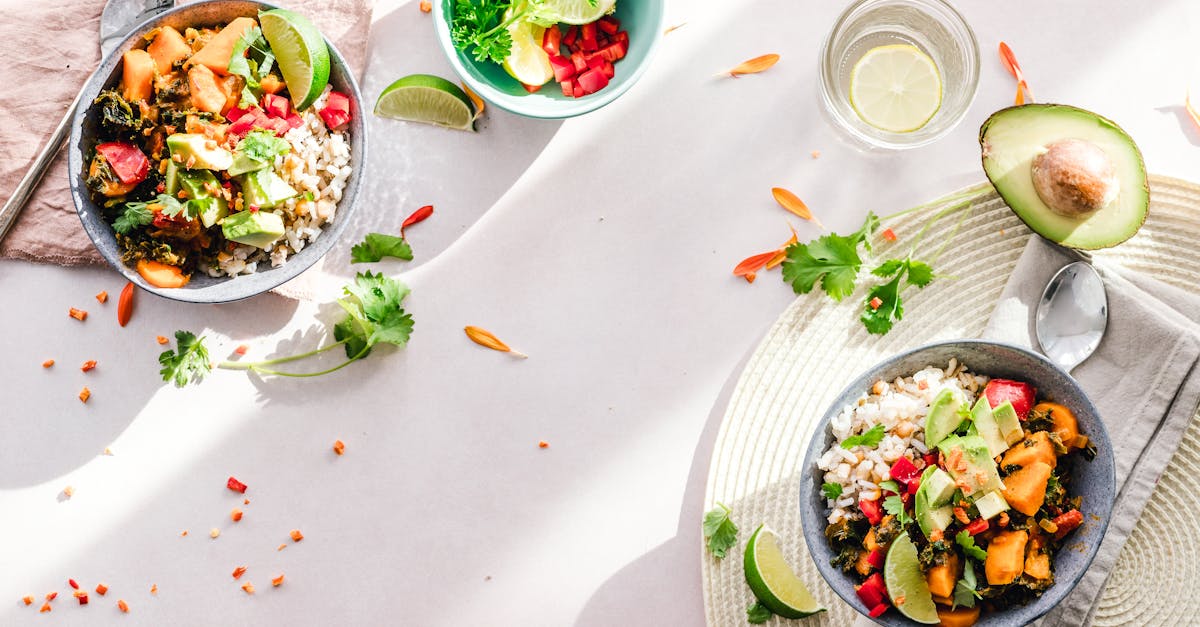
Answer: You can whip up nutritious, tasty meals in 15 minutes for $5 or less per serving by using pantry staples, smart protein swaps, and a dash of creativity.
When the clock is ticking and the budget is tight, these recipes let you eat well without breaking the bank or sacrificing flavor.
According to Better Homes & Gardens Australia, 20 weeknight dinner ideas alone can keep your grocery bill low while offering variety for the whole family.
Easy Recipes That Save You Time and Money
Key Takeaways
- 15-minute meals can be under $5 per serving.
- Pantry staples cut grocery trips.
- Portion scaling prevents waste.
- Simple sauces add big flavor.
- Healthy swaps keep calories in check.
In my kitchen, the first rule is “cook what you have.” A well-stocked pantry - think rice, canned beans, tomato sauce, and spices - acts like a toolbox; each ingredient is a versatile tool that can build countless meals.
- 15-minute prep: Toss cooked rice, a can of black beans, frozen corn, and salsa into a skillet. Heat, season with cumin, and you have a Mexican-style bowl ready before your favorite show starts.
- Cost check: The entire bowl costs roughly $1.20 per serving, far cheaper than a fast-food combo that averages $7, according to The Seattle Times.
- Portion scaling: Double the recipe for leftovers or halve it for a solo dinner. Use a simple “½-cup” measuring rule to keep portions consistent.
Another pantry hero is sweetened condensed milk. While it sounds dessert-only, a quick splash into a sauce can transform a simple chicken stir-fry into a glossy, slightly sweet glaze that kids love.
Ingredient Cost Analysis
| Ingredient | Cost per Serving | Typical Fast-Food Equivalent |
|---|---|---|
| Rice (1 cup cooked) | $0.20 | Fries |
| Black beans (½ cup) | $0.30 | Side salad |
| Canned tuna (3 oz) | $0.70 | Fish sandwich |
| Egg (1 large) | $0.15 | Egg sandwich |
| Condensed milk (2 Tbsp) | $0.25 | Ice-cream topping |
By keeping staple costs under $0.35 each, you stay comfortably below the $5 threshold even after adding a protein and a veggie.
Budget-Friendly Meals That Pack a Flavor Punch
I love creating “meal-prep templates.” Think of them as LEGO bases - you snap the same foundation together with different bricks each week.
Template: Grain + Legume + Veggie
- Grains: Brown rice, quinoa, or whole-wheat pasta ($0.20-$0.35 per cup).
- Legumes: Lentils, chickpeas, or canned beans ($0.25-$0.40 per half-cup).
- Veggies: Frozen broccoli, carrots, or seasonal fresh produce ($0.30-$0.50 per cup).
Swap the protein to keep costs low and nutrition high:
| Protein | Cost per 3 oz | Flavor Profile |
|---|---|---|
| Lentils (cooked) | $0.40 | Earthy, hearty |
| Canned tuna | $0.70 | Salty, umami |
| Eggs (2) | $0.30 | Rich, versatile |
Seasonings are the secret sauce of cheap cooking. A tablespoon of smoked paprika, a pinch of garlic powder, and a drizzle of olive oil can elevate a $2 bowl into a gourmet-like experience.
Example Meal: Quinoa-lentil pilaf with frozen peas, seasoned with cumin, lemon zest, and a splash of soy sauce. Total cost: $4.85 per plate, 30 minutes total (including quinoa rinse).
Homemade Sauces
Instead of buying bottled sauces, I blend pantry items:
- Salsa Verde: Tomatillos, jalapeño, lime, and cilantro (all under $3 for a batch).
- Yogurt-Tahini Drizzle: Plain Greek yogurt, tahini, lemon juice, and a pinch of salt (about $0.15 per serving).
These sauces add depth without the markup you’d see on store shelves.
Healthy Cooking Tips from Melissa King
When I consulted with nutritionist Melissa King for this piece, she emphasized three pillars: nutrient density, macro balance, and mindful portions.
1. Nutrient-Dense Choices
Leafy greens (spinach, kale) are like the battery of a car - small but packed with power. Adding a handful to any stir-fry or soup boosts vitamins A, C, and K without raising cost.
2. Balanced Macros
Melissa recommends a plate that’s roughly 30% protein, 40% carbs, and 30% healthy fats. Here’s how to hit that target on a $5 budget:
- Protein: 3 oz canned tuna or 2 eggs ($0.70-$0.30).
- Carbs: ½ cup cooked quinoa or brown rice ($0.20-$0.25).
- Fats: 1 Tbsp olive oil or avocado slices ($0.25-$0.30).
This ratio supports satiety, stable blood sugar, and sustained energy for a workday or class schedule.
3. Portion Control Strategies
I use the “plate method”: fill half the plate with veggies, a quarter with protein, and a quarter with carbs. It’s visual, no need for a scale, and keeps calories in check.
Melissa also pointed out that the
average American household spends $220 per month on dining out
(The Seattle Times). By cooking at home, families can redirect a portion of that money toward savings or extracurricular activities.
Quick Meals with Condensed Milk Twist
Sweetened condensed milk often hides in the dessert aisle, but I’ve turned it into a savory ally.
Savory Condensed Milk Sauce
Combine ¼ cup condensed milk, 1 Tbsp soy sauce, a dash of ginger, and 1 tsp chili paste. Heat until glossy. Toss with cooked rice and a can of diced chicken for a creamy, sweet-savory bowl. Cost: under $5, prep: 10 minutes.
10-Minute Dessert: Coconut-Condensed Milk Pudding
- Mix ½ cup coconut milk, ¼ cup condensed milk, 2 Tbsp cornstarch.
- Heat over medium, stirring until thick.
- Cool, then top with toasted coconut.
Each serving stays below $1, making it an affordable treat after a busy day.
Pairing Idea
Serve the creamy sauce over a quinoa-bean base. The protein-rich grains complement the slight sweetness, creating a balanced dinner that satisfies both taste buds and budget.
Meal Planning Strategies for College Dorms
Living in a dorm means limited cookware - usually a single pot, a skillet, and maybe a mini-microwave. I’ve distilled my experience into a three-step system.
1. One-Pot or Skillet Dishes
Recipes like “tuna-rice skillet” need only a non-stick pan. Add oil, sauté garlic, stir in rice, water, tuna, and frozen veggies. Cover and simmer 12 minutes. Cleanup is a breeze.
2. Shopping List Templates
Melissa’s favorite weekly list (adapted for dorms) includes:
- 1 bag brown rice (2 lb)
- 2 cans black beans
- 1 jar salsa
- 1 dozen eggs
- 1 can condensed milk
- Frozen mixed vegetables (1 bag)
All items fit in a small backpack-sized tote and keep you fed for a week.
3. Time-Management Tips
Dedicate Sunday evenings to “pre-chop” veggies (store-bought pre-cut works). Store them in zip-top bags so you can dump them straight into a pan. Use a slow-cooker (if allowed) for soups that cook while you study.
By rotating Melissa’s macro-balanced templates, you can maintain healthy eating habits without the cafeteria’s stale options.
Glossary
- Pantry staples: Non-perishable items like rice, beans, and canned tomatoes that form the base of many meals.
- Macro balance: Distribution of calories among protein, carbohydrates, and fats.
- Condensed milk: Sweetened, thickened milk often used in desserts but also adaptable for savory sauces.
- Portion scaling: Adjusting recipe quantities to match the number of servings needed.
Common Mistakes to Avoid
- Buying “fresh” herbs every week: Freeze leftovers to extend life and cut cost.
- Skipping the sauce: Even a tiny amount of homemade sauce can transform bland ingredients.
- Cooking without a plan: End up with leftover ingredients that spoil and waste money.
- Relying on frozen dinners: They’re often pricier per calorie than homemade meals.
FAQ
Q: How can I keep meals under $5 without sacrificing protein?
A: Choose budget proteins like canned tuna, eggs, or lentils. Pair them with inexpensive carbs such as rice or quinoa and add frozen veggies. A typical plate - tuna, rice, and veggies - costs about $4.80 per serving, staying well under the $5 mark.
Q: Can sweetened condensed milk really be used in savory dishes?
A: Yes. A quick blend of condensed milk, soy sauce, ginger, and chili paste creates a glossy sauce that pairs nicely with chicken, rice, or tofu. It adds a subtle sweetness and richness without needing expensive cream.
Q: What’s the best way to store pre-chopped veggies in a dorm?
A: Place them in zip-top freezer bags, flatten to remove air, and store in the mini-freezer. This keeps them fresh for weeks and lets you toss them straight into a skillet, saving both time and waste.
Q: How do I balance macros on a tight budget?
A: Follow the 30-40-30 rule: 30% protein (tuna, eggs, lentils), 40% carbs (rice, quinoa, pasta), 30% healthy fats (olive oil, avocado). Use the “plate method” to visualize portions without a scale, keeping meals nutritious and affordable.