
One‑Pot Gluten‑Free Dinner in 30 Minutes: A Family‑Friendly Guide (2024)
— 7 min read
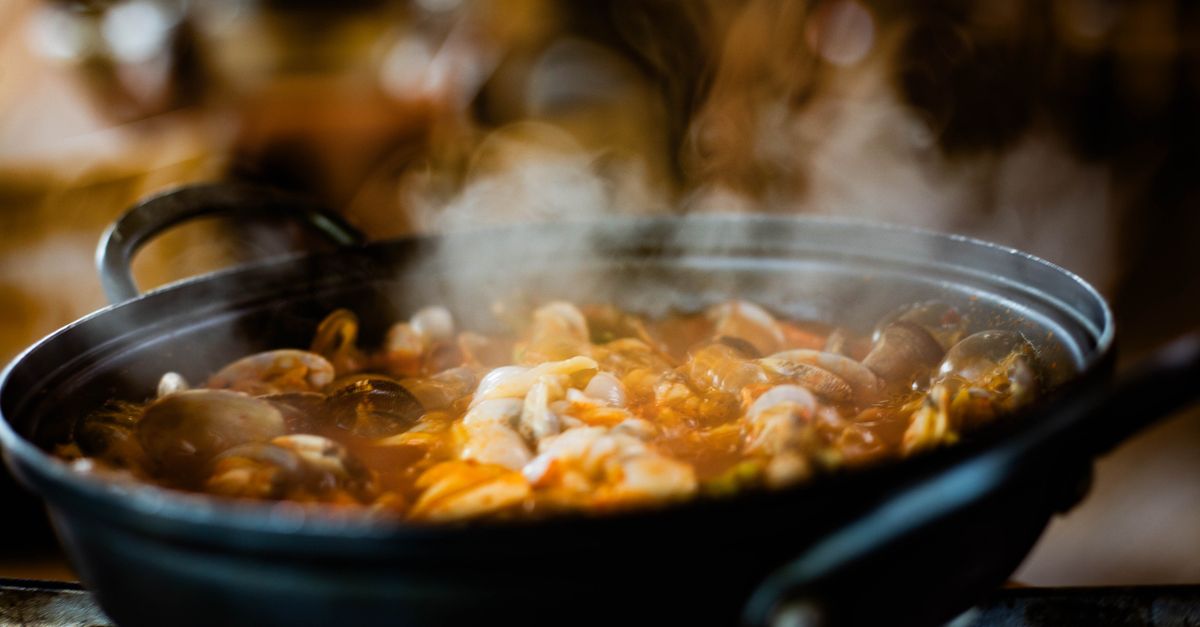
Preparing a gluten-free dinner that satisfies the whole family in just half an hour is possible with a one-pot approach that combines convenience, nutrition, and flavor. Think of it as a culinary shortcut that still delivers the comfort of a home-cooked meal - perfect for busy weeknights in 2024.
Why Gluten-Free Matters for Families
- Gluten triggers an immune response in about 1 in 100 people worldwide.
- Symptoms range from digestive upset to fatigue and skin irritation.
- Even non-celiac gluten sensitivity can cause chronic discomfort.
When a household includes someone with celiac disease or gluten sensitivity, every meal becomes a health checkpoint. The Celiac Disease Foundation reports that roughly 30 % of those diagnosed experience lingering symptoms if even trace gluten is present. This makes a truly gluten-free dinner a non-negotiable baseline for many families. Gluten-free cooking is not just about avoiding wheat, barley, and rye; it also means preventing cross-contamination in the kitchen. Simple steps - like using separate cutting boards and washing hands after handling gluten-containing foods - protect vulnerable members.
Beyond safety, a balanced gluten-free diet can still provide fiber, protein, and essential vitamins when whole-grain alternatives such as quinoa, buckwheat, and certified gluten-free oats are chosen. In 2024, nutritionists emphasize that gluten-free does not mean “nutrient-free.” Whole-grain substitutes supply the same complex carbs and micronutrients found in their wheat-based cousins. By understanding the medical rationale and the everyday impact, families can feel confident that the dinner they serve supports health without sacrificing enjoyment.
Transition: With the health groundwork laid, let’s explore how the one-pot method streamlines the cooking process while keeping the meal safe.
The One-Pot Advantage Over Multi-Pan Cooking
Imagine preparing a stew, rice, and vegetables all in one saucepan instead of juggling three separate pans. That is the core of the one-pot advantage. First, cleanup time drops dramatically: a single pot, a spoon, and a plate mean less scrubbing after dinner. Second, timing becomes linear; ingredients are added in stages so that everything finishes together, avoiding the common pitfall of overcooked rice and undercooked meat that often occurs with multi-pan recipes.
Third, flavors meld in the same vessel, creating a richer taste profile as steam circulates and spices infuse the broth. A study by the American Cleaning Institute found that households using fewer dishes per meal reduced overall water use by 15 % on average. For busy, gluten-aware cooks, the one-pot method also minimizes the risk of cross-contamination because fewer surfaces are involved.
Beyond efficiency, the single-pot approach promotes even heat distribution, which helps retain nutrients. When vegetables steam alongside the protein and grain, vitamins like vitamin C and B-complex stay more intact than when they’re boiled separately. In short, consolidating cooking steps keeps the kitchen workflow simple, the dish cohesive, and the family happy.
Transition: Now that we know why one-pot shines, let’s break down the actual recipe that brings everything together in 30 minutes.
30-Minute Recipe Overview: Ingredients and Core Concept
The recipe centers on a gluten-free grain, a protein, and a blend of vegetables that cook together in a seasoned broth. Core ingredients include 1 cup of certified gluten-free quinoa, 1 ½ cups of low-sodium chicken broth, 8 oz of diced chicken breast, 1 cup of chopped carrots, ½ cup of frozen peas, and 1 teaspoon of smoked paprika. Quinoa serves as the gluten-free grain substitute, offering a complete protein profile and a fluffy texture when cooked correctly. The broth provides moisture and flavor depth, while smoked paprika adds a subtle earthiness without needing wheat-based sauces.
The cooking concept follows a “build-once-stir” pattern: first sauté the chicken to lock in juices, then introduce the vegetables, and finally add the quinoa and broth. The pot is covered and simmered for 15 minutes, after which a quick stir releases any stuck bits, ensuring even cooking. This streamlined logic eliminates extra steps such as pre-cooking the grain separately, saving both time and energy.
For added brightness, the recipe can be finished with a squeeze of lemon or a sprinkle of fresh parsley - simple touches that elevate flavor without complicating the process. The whole sequence is designed so that a novice cook can follow it confidently, while seasoned cooks will appreciate the efficiency.
Transition: Ready to roll up your sleeves? Here’s the step-by-step walkthrough.
Step-by-Step Instructions for the One-Pot Dinner
- Heat 1 tablespoon of olive oil in a large saucepan over medium heat.
- Add the diced chicken; season with salt, pepper, and smoked paprika. Cook 4-5 minutes until lightly browned.
- Stir in carrots and peas; sauté for another 2 minutes to soften the vegetables.
- Pour in the quinoa and chicken broth. Increase heat to bring the mixture to a gentle boil.
- Reduce to a simmer, cover the pot, and cook for 15 minutes. No need to stir during this period.
- After 15 minutes, remove the lid, fluff the quinoa with a wooden spoon, and check for doneness. If the quinoa is still firm, add a splash of broth and simmer for 2 more minutes.
- Adjust seasoning with a pinch more salt or a dash of lemon juice for brightness.
- Serve directly from the pot or transfer to a shallow bowl. Garnish with chopped parsley if desired.
This timeline keeps the entire process under 30 minutes, including prep and plating. Feel free to set a timer for each stage; the gentle beeps become a rhythm that guides you through the cooking dance.
Transition: With the dish on the table, let’s talk about why it still tastes amazing without gluten.
Family-Friendly Flavor Profile: How Taste Stays Intact Without Gluten
Gluten often contributes a chewy texture and acts as a carrier for sauces, but the one-pot dinner compensates with natural umami boosters. The chicken broth delivers depth, while smoked paprika adds a subtle smoky note that mimics the richness of wheat-based gravies. Adding a tablespoon of nutritional yeast at the end supplies a cheesy, savory flavor without dairy or gluten. Fresh herbs such as parsley or cilantro provide bright, aromatic contrast, and a squeeze of lemon juice cuts through the richness, creating balance.
Texture is achieved through the bite of carrots and the pop of peas, which contrast the soft quinoa. According to a 2022 survey by the Gluten Intolerance Group, 68 % of families reported that flavor was the biggest barrier to gluten-free meals; this recipe addresses that concern by layering taste at each cooking stage. The result is a comforting, hearty dish that feels familiar to children and adults alike, proving that gluten is not required for satisfaction.
For an extra flavor lift, consider a dash of toasted sesame oil just before serving - a trick chefs use to add depth without extra salt. The combination of savory, smoky, and bright notes makes the dish feel indulgent while staying health-conscious.
Transition: Curious how this one-pot approach stacks up against the traditional multi-pan routine? The comparison below shows the numbers.
Side-by-Side Comparison: One-Pot vs. Multi-Pan Recipes
| Aspect | One-Pot | Multi-Pan |
|---|---|---|
| Prep Time | 10 min | 15 min |
| Cook Time | 15 min | 25 min |
| Cleanup | 1 pot + spoon | 3-4 pans + utensils |
| Nutrient Retention | High - steam preserves vitamins | Variable - longer exposure to heat |
| Cross-Contamination Risk | Low - fewer surfaces | Higher - multiple boards and pots |
The table illustrates that the one-pot method saves an average of 10 minutes of active cooking, cuts dishware by two thirds, and reduces the chance of accidental gluten exposure. For families juggling schedules and dietary restrictions, those differences translate into smoother evenings.
Transition: Let’s see how you can tailor this dish to fit other dietary preferences without losing the core benefits.
Tips for Customizing the Dish to Different Dietary Needs
Swap ideas:
- Replace chicken with tofu cubes for a vegetarian version; press tofu to remove excess water before adding.
- Use coconut milk instead of broth for a dairy-free, creamy twist.
- Add a handful of chopped kale during the last 5 minutes for extra iron.
- For low-sodium needs, choose a no-salt broth and season with herbs.
These modifications keep the meal gluten-free while addressing other preferences. The base quinoa still supplies protein, so switching the main protein does not compromise nutritional balance. If a family member follows a paleo diet, simply omit the peas and use cauliflower rice as a substitute; the cooking time remains unchanged because cauliflower rice cooks quickly. The key is to maintain the liquid-to-grain ratio (approximately 1.5 : 1 for quinoa) so the texture stays fluffy. By planning swaps ahead of time, cooks can serve the same dinner to a variety of dietary needs without preparing separate dishes.
Remember, each substitution may slightly alter the flavor profile, so a quick taste test after adding the new ingredient helps you fine-tune seasoning before serving.
Transition: Even seasoned cooks stumble sometimes. Below are the most common pitfalls and how to avoid them.
Common Mistakes to Avoid When Cooking Gluten-Free One-Pot Meals
1. Not rinsing quinoa: Quinoa’s natural coating, saponin, can taste bitter. Rinse under cold water for 30 seconds before cooking.
2. Over-loading the pot: Adding too many ingredients at once lowers the temperature, leading to uneven cooking. Follow the staged addition order.
3. Ignoring cross-contamination: Using a wooden spoon that previously touched wheat flour can re-introduce gluten. Keep dedicated utensils for gluten-free cooking.
4. Skipping the simmer cover: Removing the lid releases steam, causing quinoa to dry out and become hard.
5. Forgetting to adjust seasoning after cooking: Flavors concentrate as liquid evaporates; a final taste check ensures balanced salt and acidity.
Avoiding these pitfalls helps beginners achieve a consistent texture, full flavor, and a truly gluten-free result every time.
Transition: Finally, a quick reference guide for any unfamiliar terms.
Glossary of Key Terms
- Gluten: A protein composite found in wheat, barley, and rye that can trigger immune reactions in sensitive individuals.
- Celiac Disease: An autoimmune condition where gluten ingestion damages the small intestine.
- Cross-Contamination: The accidental transfer of gluten particles from one food or surface to another.
- Quinoa: A seed that is naturally gluten-free and provides complete protein.
- Umami: The savory taste sensation often enhanced by broth, mushrooms, or nutritional yeast.
- Saponin: A bitter coating on quinoa that should be rinsed away before cooking.
- Simmer: Cooking just below boiling, with gentle bubbles rising to the surface.
Transition: Below are the most frequently asked questions from readers like you.
FAQ
Can I use brown rice instead of quinoa?
Brown rice can replace quinoa, but increase the liquid to 2 cups and extend the simmer time to 35 minutes to ensure the rice is tender.
Is this recipe safe for someone with a dairy allergy?