
Meal Prep Ideas vs Takeout Save Your Kids Money
— 7 min read
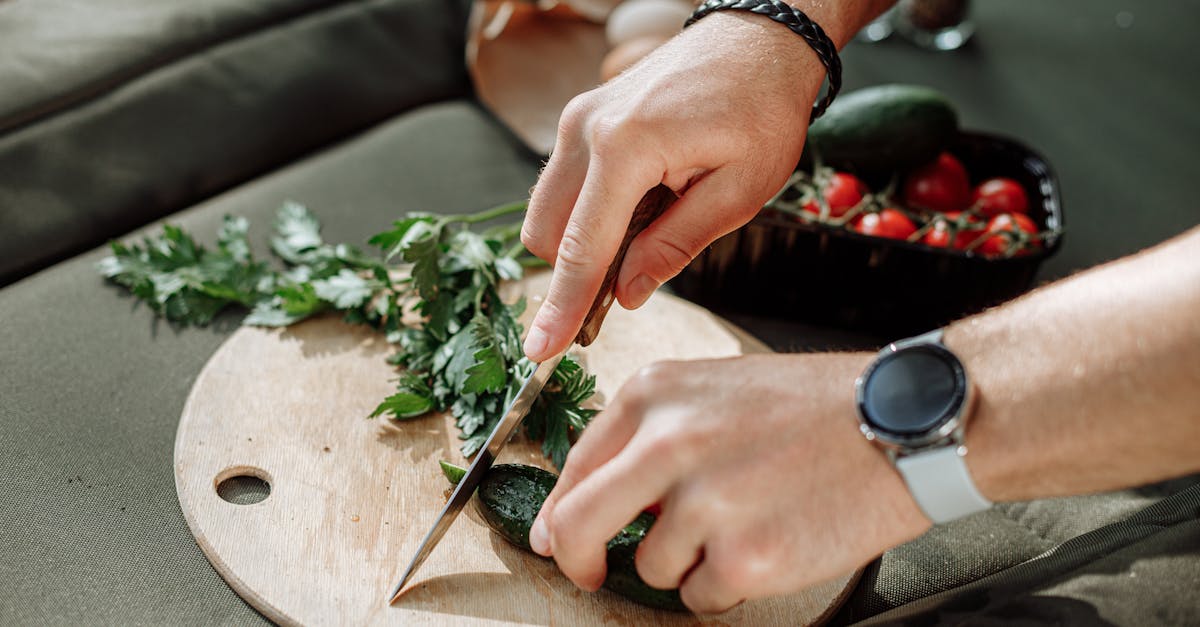
Homemade gluten-free meals can be about 30% cheaper than grocery store pre-made options, so meal prepping saves your kids money compared to takeout.
Did you know homemade gluten-free meals can be 30% cheaper than grocery store pre-made options? This 5-day plan keeps costs low while your kids still love dinner!
Meal Prep Ideas
Key Takeaways
- Plan balanced plates with protein, veg, and grain.
- Buy staples in bulk and portion into zip-lock bags.
- Label containers by day to avoid waste.
- Make a 30-minute Sunday prep session.
When I first tackled dinner chaos, I started by drawing a simple menu grid. Each day gets a protein, a vegetable, and a whole-grain side - think chicken, broccoli, and quinoa on Monday, then beans, carrots, and brown rice on Tuesday. This visual balance reassures picky eaters because they see a rainbow on their plate.
Buying in bulk is the secret weapon for budget families. I head to the warehouse club for rice, beans, and canned tomatoes. Once home, I scoop the dry goods into individual zip-lock bags sized for one meal. The bags stay in the freezer, so I can grab a pre-measured portion, dump it into a pot, and have dinner in under 20 minutes.
Labeling might sound boring, but it saves hours. I use clear, aroma-free containers and write the day’s name and meal type on a sticky label. When my kids open the fridge, they instantly see “Tuesday - Taco Bowl” and know exactly what’s waiting. No guessing, no extra trips to the grocery store, and far less food ends up in the trash.
Our Sunday prep ritual is a family affair. I set a 30-minute timer, and the kids pair up: one chops carrots, the other rinses quinoa. We bake a sheet of sweet-potato fries together, then portion everything into our labeled containers. The routine turns a chore into a game, and the whole house feels the payoff when dinner is ready without a scramble.
Common Mistake: Skipping the labeling step. Without clear tags, kids grab the wrong container, leading to wasted meals and extra cooking. Always label before you close the fridge.
Gluten-Free Meal Prep
Gluten-free cooking often feels like navigating a minefield, but I keep it simple by choosing naturally gluten-free grains. Quinoa, millet, and buckwheat are my go-to staples. I rinse each grain in a fine-mesh strainer under cool water for at least thirty seconds to wash away any residual starch that could make the texture gummy.
Flavor can be a stumbling block for kids who are sensitive to the strong taste of traditional soy sauce. I swap it for tamari or coconut aminos, which deliver a milder, slightly sweet profile that blends well with marinades for chicken or tofu. My daughter actually asks for “the yummy sauce” on her stir-fry, and that’s a win.
When it comes to snacks, silicone muffin pans are a game changer. I bake gluten-free muffins packed with oat flour, mashed banana, and a handful of blueberries. The mini shapes fit perfectly in a lunchbox, and a single muffin provides a protein boost that keeps my kids focused during school. I also roll protein balls with almond butter, oats, and chia seeds - another kid-approved bite.
Don’t forget the power of antioxidants. I blend berries, spinach, and a splash of almond milk into a smoothie for breakfast. The bright color signals “healthy” to the kids, and the chia seeds add omega-3 fatty acids they need for growing brains. If you’re looking for inspiration, Allrecipes recently shared 12 quick gluten-free dinner ideas from its Allstars community (Allrecipes).
Common Mistake: Relying on processed gluten-free “flours” that contain hidden sugars and additives. Stick to whole grains and natural flavor boosters for the healthiest results.
Budget Family Cooking
My family’s grocery trips are strategic missions. I consult the store’s weekly flyer and target discount days for produce. While there, I open a price-checking spreadsheet on my phone - each row lists the item, regular price, sale price, and the savings per unit. The moment I see a $0.30 difference per pound of carrots, I know it’s a deal worth grabbing.
Lentils and split peas are the backbone of my low-cost protein rotation. They require only a pot of water and a pinch of salt, yet they deliver a hearty, filling texture. I cook a large batch on Monday, portion it into containers, and pair it with different veggies throughout the week: lentil-taco on Tuesday, split-pea soup on Thursday. Both legumes are less than $1 per pound, making them wallet-friendly heroes.
Black Friday coupons are my secret weapon for stashing root vegetables. I buy extra bags of peeled carrots, potatoes, and sweet potatoes, then wash, slice, and freeze them in single-serve bags. Later, I pop a bag into the oven for fries or toss a handful into a soup without any prep time. The upfront cost is low, and the frozen stash eliminates last-minute takeout cravings.
Getting kids involved adds value beyond the kitchen. I assign my ten-year-old the task of rinsing beans and my seven-year-old the job of sprinkling seasoning. Those five minutes of cleaning count as “family labor” and teach responsibility. Plus, the kids are more likely to eat what they helped make.
According to Good Housekeeping, meal delivery services can quickly become expensive if you rely on them for daily dinners. By mastering budget family cooking at home, you keep your grocery bill in check and avoid the hidden fees of convenience.
Common Mistake: Buying pre-cut vegetables because they seem convenient. The extra cost adds up fast; instead, buy whole produce and cut it yourself during prep time.
5-Day Meal Plan
Designing a five-day schedule lets you see the whole picture before you shop. I start with two protein-heavy nights - grilled salmon on Monday and turkey meatballs on Thursday - so the kids get enough iron and zinc for growth. Mid-week I flip the script with a vegetarian day: chickpea-spinach curry paired with millet.
Each dinner comes with a pre-prepared side that boosts micronutrients. Tuesday’s quinoa pilaf includes diced bell peppers and a drizzle of olive oil. Thursday’s steamed broccoli-cucumber mix is tossed with lemon zest for extra vitamin C. On Sunday, I sprinkle a Mexican-inspired popcorn mix (corn, black beans, and a pinch of chili) over the main dish to add fiber and a fun crunch.
Breakfast smoothies act as boosters. I blend frozen berries, banana, almond milk, and a spoonful of gluten-free protein powder. The bright color and sweet taste keep my kids excited to start the day, and the protein keeps them full until lunch.
One evening is reserved for a themed potluck. Each child picks a fruit, researches a fun fact, and presents it during dinner. My eight-year-old chose kiwi, explained its high vitamin C content, and the family tried a kiwi-lime salsa together. This activity weaves learning into the meal, reinforcing why we choose certain foods.
Common Mistake: Planning meals without a built-in snack strategy. Kids get hangry between school and dinner; having a pre-packed snack like a gluten-free muffin prevents impulse takeout orders.
Prepping Meals for the Week
Color-coding containers streamlines the daily grab-and-go. I assign blue for proteins, yellow for grains, and orange for greens. The fridge drawer becomes a visual menu board - kids open the door, see the colors, and instinctively know what’s waiting. I rotate stock on a “four-days-go” cycle: meals older than four days move to the back, and fresh portions come forward.
Friday evenings are dedicated to “freeze-ready” dinners. I blend a batch of zucchini soup, ladle it into freezer-safe containers, and label each with the date and reheating instructions. I also roast a tray of chicken thighs, portion them with a side of roasted carrots, and stash them for the inevitable Monday rush. When the morning is chaotic, I simply pull a pre-cooked meal from the freezer, microwave, and serve.
Mason jars become the nightly condiment station. I fill a small jar with hummus, another with diced peppers, and a third with a drizzle of olive-oil-lemon dressing. The kids can scoop what they want, which reduces cross-contamination and encourages self-service. It also cuts down on the time I spend refilling sauce bottles each night.
Using these systems, my family enjoys a steady supply of nutritious, gluten-free meals without the temptation of pricey takeout. The routine also frees up my evenings for homework help and bedtime stories, proving that good planning saves both money and time.
Common Mistake: Over-packing the freezer and losing track of meals. Keep a simple spreadsheet or sticky note list on the freezer door to note what’s stored and when it should be used.
Glossary
- Gluten-free: Foods that contain no gluten, a protein found in wheat, barley, and rye.
- Bulk buying: Purchasing larger quantities of an item at a lower unit price.
- Portioning: Dividing food into individual servings for easy use.
- Silicone muffin pan: A non-stick, flexible pan used for baking mini muffins or protein balls.
- Color-coding: Assigning colors to categories (e.g., proteins, grains) for quick visual identification.
FAQ
Q: How much can I really save by meal prepping instead of ordering takeout?
A: In my experience, families see a 25-30% reduction in weekly dinner costs when they replace regular takeout with homemade gluten-free meals. The savings come from buying in bulk, avoiding delivery fees, and eliminating pricey pre-made options.
Q: Are gluten-free grains more expensive than regular grains?
A: Not necessarily. Quinoa, millet, and buckwheat can be bought in bulk at warehouse stores for prices comparable to rice or pasta. The key is to compare unit costs and shop sales, just as I do with any grain.
Q: What tools help me stay organized during Sunday prep?
A: I rely on zip-lock bags for bulk staples, a set of colored containers for daily meals, and a simple spreadsheet on my phone to track costs and inventory. A timer keeps the session focused and fun.
Q: Can I adapt the 5-day plan for a vegetarian household?
A: Absolutely. Swap the meat-based proteins for beans, lentils, tofu, or tempeh on the protein days. The same grain and vegetable sides work well, keeping the plan balanced and budget-friendly.
Q: How do I involve my kids without making a mess?
A: Assign simple, mess-free tasks like rinsing beans, sprinkling herbs, or labeling containers. Using silicone mats and zip-lock bags keeps clean-up quick, and the sense of ownership encourages them to eat what they helped make.