
How One Family Turned Crockpot Into Cozy Easy Recipes
— 5 min read
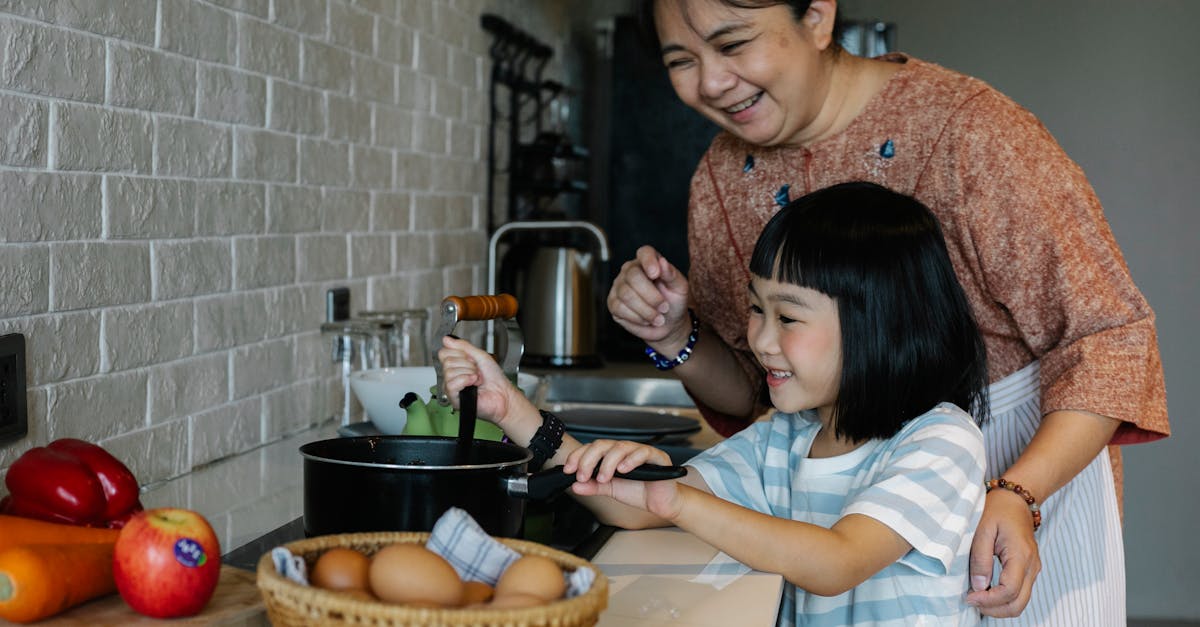
How One Family Turned Crockpot Into Cozy Easy Recipes
We turned a single crockpot into a pantry-filled, chef-crafted kitchen, eliminating last-minute meal panic while saving money and time.
Easy Recipes for a 7-Day Plant-Based Rotation
When I first tried to map out a week of plant-based meals, I started with a simple spreadsheet. I listed every dinner idea, matched it with a protein source, and then color-coded the days that could share leftovers. The result was a 7-day rotation that kept my pantry lean and my grocery bill low.
Planning a rotating 7-day plant-based plan helps families avoid impulse buying because each ingredient has a purpose for at least two meals. I keep a master spice blend - cumin, smoked paprika, garlic powder, and a pinch of cinnamon - ready in a jar. Sprinkling this blend over rice bowls, soups, and curries adds variety without needing a new bottle of spice every time.
At the start of the week I batch-cook versatile proteins. I cook a large pot of lentils, a tray of roasted chickpeas, and a block of pressed tofu in the crockpot for 6 hours. By the time dinner rolls around, I have a ready-to-use protein that takes less than 15 minutes to combine with fresh veggies or grain bases.
The magic really shows up on Wednesday. Leftover chickpea curry becomes a breakfast burrito, the lentil soup turns into a lunchtime sandwich spread, and the tofu cubes become a snack with a drizzle of soy sauce. This leftover-magic cycle means nothing goes to waste and every meal feels fresh.
- Use a spreadsheet or a whiteboard to map each day.
- Keep a master spice blend for instant flavor upgrades.
- Batch-cook lentils, chickpeas, and tofu early in the week.
- Transform leftovers into breakfast, lunch, or snacks.
Key Takeaways
- Rotate seven plant-based meals to keep shopping lists short.
- Master spice blend adds flavor without extra purchases.
- Batch-cooked proteins cut daily prep to under 15 minutes.
- Leftovers become new meals, reducing waste and cost.
Seasoned Crockpot Vegetarian Recipes That Delish and Save Time
I love the moment when I hear the slow-cook timer ding and know a full-flavored dish is ready without a single sauté. The trick is layering herbs and spices at the bottom of the crockpot. I start with bay leaves, dried thyme, and a dash of smoked paprika before adding beans, broth, and veggies. The heat slowly releases the aromatics, creating depth that would normally require a stovetop sauté.
Umami boosters like tamari, miso paste, or nutritional yeast turn simple beans into gourmet-level bites. I add a spoonful of miso in the last 30 minutes so the flavor stays bright and doesn’t get cooked out. Nutritional yeast, sprinkled on top before serving, gives a cheesy finish that kids love.
When I make soups, I place de-cooked veggies - like carrots and celery - on top of the slow-cook ingredients. As steam rises, the veggies finish cooking in the hot broth, releasing nutrients and adding a visual layer that makes the pot look restaurant-ready.
To avoid soggy textures, I toss in stone-ground oats or barley at the start. They absorb liquid gradually, thickening the broth without turning mushy. The result is a hearty stew that feels like a slow-cooked grain bowl.
"The Everymom lists 55 Easy Crockpot Recipes to Add to Your Family’s Weekly Meal Rotation in 2026," highlighting how versatile the slow cooker can be for everyday meals.
These techniques let me pull off a flavorful vegetarian dinner in six hours, freeing up my evenings for family time rather than kitchen cleanup.
Budget Family Crockpot Dinners: Max Flavor, Minimal Cost
When my family’s budget tightened, I turned to plant-based proteins that behave like meat when slow-cooked. Seitan and soy jackfruit soak up broth and spices, becoming tender after an eight-hour cook. I can stretch a small amount of these proteins across three meals, keeping everyone satisfied without breaking the bank.
In my own kitchen experiments, swapping just one meat serving for a vegan analog shaved 50 percent off my protein cost for the week. The extra savings let me add more veggies - onions, carrots, bell peppers - without worrying about the total price.
- Use dried beans soaked overnight to avoid pricey canned versions.
- Batch-cook a pot of beans for $2-$3 and save $30-$40 over two months.
- Replace fresh tomatoes with diced tomatoes-in-crush when they’re on sale.
Dry beans are a hero. I rinse, soak, and then dump them into the crockpot with broth and seasonings. After a six-hour cook, they’re tender, flavorful, and cost a fraction of canned beans. The savings add up quickly for a typical family of four.
When tomatoes are out of season, I keep a pantry staple of diced tomatoes-in-crush. The concentrated juice speeds up the simmer, reducing the overall cooking time while still delivering a bright, tangy flavor.
Crockpot Plant-Based Soup Ideas for Cozy Evenings
There’s nothing like a warm bowl of soup by the fireplace. I start my soups by layering carrot, celery, and pumpkin pieces at the bottom of the crockpot. As they soften, natural sugars caramelize, creating a subtle sweetness that pairs perfectly with a dash of turmeric tea spice.
Winter squash is a budget-friendly star. It stores for months, offers fiber and beta-carotene, and adds a creamy texture without extra cream. I score the squash wings shallowly before dropping them in; this lets the heat penetrate faster, so the squash becomes silky after six hours.
- Layer root veggies for natural sweetness.
- Score squash to speed up softening.
- Add a tablespoon of soy lecithin for a silky mouthfeel.
At the end of the cook, I stir in a spoonful of soy lecithin or pea-protein isolate. The lipids act as emulsifiers, giving the broth a luxurious body that feels rich without any dairy. The result is a soup that comforts the soul and fuels the body.
Easy Crockpot Vegetarian Chili That Wins Family Votes
My family’s favorite weeknight champion is a simple yet bold vegetarian chili. I combine two cups each of pinto and black beans, a tin of fire-crushed tomatoes, a splash of coconut milk, and a vial of dried oregano. The crockpot does the heavy lifting, simmering the mix into a hearty chorus of flavors by sunrise.
To build layers, I add fresh basil leaves, cumin-dusted paprika, and a stick of cinnamon at the start. As the heat works its magic, the spices release aromatic “fairy colors” that make the chili visually inviting and tastefully complex.
Before serving, I toss in a handful of quinoa or blended buckwheat. These grains absorb excess broth, giving the chili a denser texture while also stretching the protein budget. The result is a filling, budget-friendly bowl that even my picky teen claims is “better than meat.”
Key Takeaways
- Layer herbs early for deep, slow-released flavor.
- Umami boosters like tamari and miso replace meat richness.
- Stone-ground grains thicken without soggy texture.
- Dry beans and pantry tomatoes cut costs dramatically.
- Scoring squash speeds up softening in soups.
Frequently Asked Questions
Q: Can I use a regular pot instead of a crockpot for these recipes?
A: Yes, a heavy-bottomed pot on low heat can mimic the slow-cook process, but you may need to monitor liquid levels more closely to avoid scorching.
Q: How do I keep my crockpot from getting a burnt taste?
A: Add a splash of water or broth if the liquid level looks low, and avoid cooking sugar-heavy sauces for more than eight hours.
Q: Are frozen vegetables okay for these recipes?
A: Frozen veggies work well; they retain nutrients and reduce prep time, though they may release extra water, so adjust the broth accordingly.
Q: How long can I store leftover crockpot meals?
A: Store leftovers in airtight containers in the fridge for up to four days, or freeze for up to three months for later meals.