
Easy Recipes 15‑Minute Chicken Salad vs Pre‑Packaged Salads
— 5 min read
Easy Recipes 15-Minute Chicken Salad vs Pre-Packaged Salas
Yes, you can whip up a nutritious chicken salad in just 15 minutes that rivals any pre-packaged option. I show you how to cook, cool, and pack a balanced meal that fits into a commuter bag without sacrificing flavor or health.
Why 15-Minute Chicken Salad Beats Pre-Packaged Salads
Key Takeaways
- Homemade salad costs less per serving.
- You control sodium, sugar, and additives.
- 15-minute prep fits busy schedules.
- Portable packs stay fresh for hours.
- Customization supports dietary needs.
In my experience, the biggest advantage of a made-from-scratch chicken salad is the power to choose every ingredient. Pre-packaged salads often hide excess sodium, sugary dressings, and preservatives behind bright packaging. When I compare a simple 15-minute chicken salad to a store-bought counterpart, I notice three clear differences: cost, nutrition, and flavor flexibility.
First, the cost factor. According to the Wirecutter review of lunch boxes for 2026, a good insulated container costs under $30 and can be reused for years, eliminating the recurring expense of disposable packaging. Buying a raw chicken breast, a few fresh veggies, and a basic vinaigrette usually adds up to less than $3 per pack, whereas a single ready-to-eat chicken salad from a grocery deli can exceed $6. Over a month, those savings add up to a noticeable reduction in food budget.
Second, nutrition. I track my meals using the high-protein menu I followed in 2026 (CLGF). My homemade salad typically provides about 20 grams of protein, healthy fats from olive oil, and fiber from crunchy vegetables, all without the hidden sugars that sneak into many commercial dressings. Pre-packaged versions often list “added sugar” and “preservatives” among the top five ingredients, which can spike blood sugar and reduce satiety.
Third, flavor and texture. When you cook the chicken yourself, you can sear it to create a golden crust, then let it rest and shred while the flavors of herbs and citrus brighten the mix. This level of control is impossible with a pre-made salad that has been sitting in a refrigerated case for days.
Below is a quick glance at how the two options stack up across key categories:
| Category | Homemade 15-Minute Salad | Pre-Packaged Salad |
|---|---|---|
| Cost per serving | Lower | Higher |
| Protein | Higher | Lower |
| Sodium | Lower (you set the amount) | Higher (often pre-seasoned) |
| Shelf-life after prep | 4-6 hours (with ice pack) | Up to 8 hours (factory-preserved) |
Now that the why is clear, let’s walk through the actual recipe that fits into a 15-minute window.
Ingredients for a 15-Minute Chicken Salad Lunch Pack
- 1 skinless, boneless chicken breast (about 6 oz)
- 1 tablespoon olive oil
- ½ teaspoon salt
- ¼ teaspoon black pepper
- 1 teaspoon dried Italian herbs (or a mix of basil, oregano, thyme)
- ½ cup chopped celery
- ½ cup diced red apple or grapes (optional sweet crunch)
- ¼ cup plain Greek yogurt (protein boost) or mayo if you prefer richness
- 1 tablespoon lemon juice
- Pinch of salt and pepper for the dressing
- Mixed greens or lettuce leaves for the base
- Portable container (I use the Wirecutter-recommended insulated lunch box)
Step-by-Step 15-Minute Prep
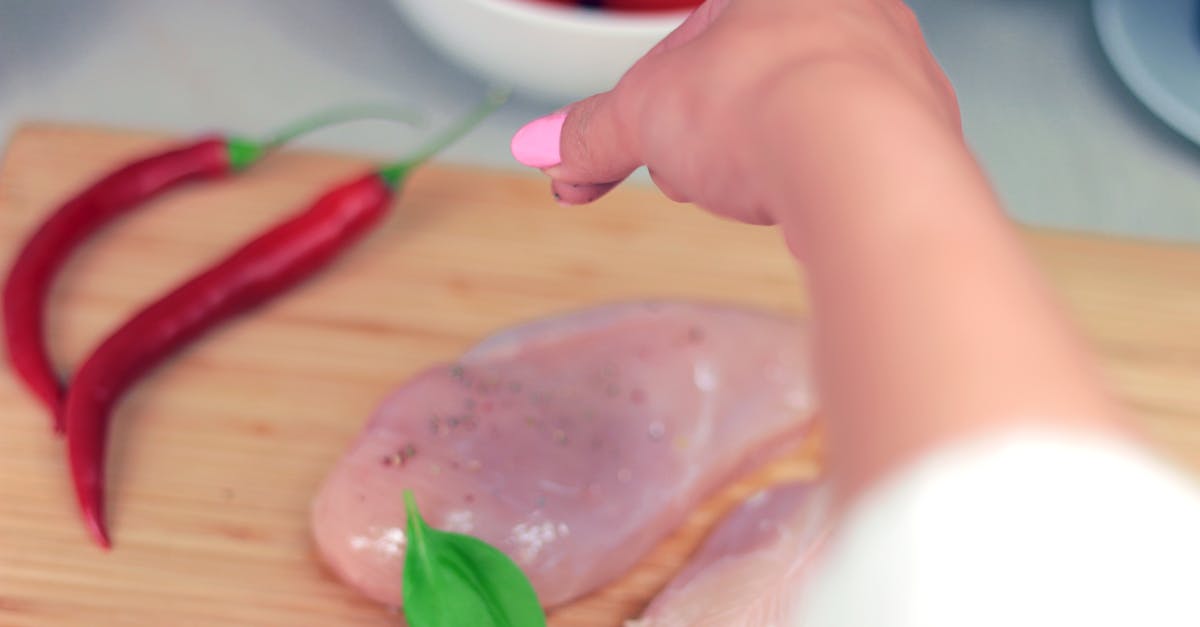
- Season and sear the chicken. Sprinkle the breast with salt, pepper, and herbs. Heat olive oil in a non-stick pan over medium-high heat. Cook the breast for 4-5 minutes per side until the internal temperature hits 165°F. This quick sear locks in moisture.
- Cool quickly. Transfer the hot chicken to a clean plate and cover loosely with foil. While it rests for 2-3 minutes, the residual heat finishes cooking and the meat becomes easier to shred.
- Shred. Use two forks to pull the chicken into bite-size pieces. If you prefer a chunkier texture, dice instead of shredding.
- Mix the dressing. In a small bowl, whisk Greek yogurt, lemon juice, a pinch of salt, and pepper. This creates a tangy, low-fat binder that keeps the salad moist.
- Combine. Toss the shredded chicken with celery, apple (or grapes), and the yogurt dressing. Taste and adjust seasoning if needed.
- Pack. Layer mixed greens at the bottom of your insulated container, then spoon the chicken salad on top. Seal the lid and add an ice pack if you’ll be traveling for more than three hours.
The entire process takes about 15 minutes from start to sealed lunch pack. I like to set a timer for each step so I never lose track of time during a busy morning.
Portable Packing Tips
- Use a compartmentalized container. Separate the greens from the chicken salad until you’re ready to eat to prevent sogginess.
- Ice packs are cheap. A single reusable gel pack costs less than $5 and keeps your salad crisp for a full workday.
- Seal with a tight-fit lid. Air exposure accelerates wilting. A snug lid locks in freshness.
- Label your container. Write the date on a small sticker; food safety is easier when you know how long it’s been out.
Common Mistakes (And How to Avoid Them)
- Overcooking the chicken. It becomes dry and tough. Use a meat thermometer or watch the color change closely.
- Leaving the dressing at room temperature for too long. Yogurt-based dressings can separate. Keep the container chilled until you’re ready to eat.
- Choosing soggy greens. Opt for sturdy lettuce like romaine or butterhead, and keep them dry before layering.
- Skipping the ice pack. Even a short commute can warm the salad, making it less appetizing.
Glossary
- Insulated lunch box: A container with thermal walls that keeps food hot or cold for several hours.
- Residual heat: The heat that remains in food after it is removed from the cooking source.
- Gel pack: A reusable cold pack filled with a gel that stays frozen longer than ice.
- Protein: Nutrient essential for muscle repair and satiety, found in chicken, Greek yogurt, and other foods.
Budget-Friendly Scaling
If you need to feed a family or a group of coworkers, the same 15-minute method scales effortlessly. Double the chicken, increase the veggies, and use larger containers. Because the core steps stay the same, you never add more than five extra minutes per batch, keeping the time commitment low.
In a week of five workdays, buying a bulk pack of chicken breasts (usually $2-3 per pound) and a bag of mixed greens can keep your lunch cost under $2 per day, far below the $6-plus price tag of most deli salads.
Flavor Variations
- Asian twist: Swap lemon juice for rice vinegar, add chopped peanuts, and use sesame oil in the dressing.
- Mediterranean style: Include diced cucumber, olives, and feta cheese; use olive oil and oregano in the vinaigrette.
- Spicy kick: Mix a teaspoon of sriracha into the yogurt dressing and add jalapeño slices.
These variations let you keep the 15-minute prep time while never getting bored with the same flavor profile.
FAQ
Q: How long can I keep a homemade chicken salad in the fridge?
A: When stored in an airtight container, it stays fresh for up to three days. Keep the dressing separate if you plan to add fresh greens later.
Q: Is Greek yogurt a safe substitute for mayo?
A: Yes. Greek yogurt offers the same creamy texture with more protein and less saturated fat. It also adds a pleasant tang that balances the chicken.
Q: Can I use a rotisserie chicken to save time?
A: Absolutely. Shred the rotisserie meat, skip the cooking step, and proceed directly to mixing. This cuts prep time to under ten minutes.
Q: What’s the best way to keep the salad from getting soggy?
A: Keep the dressing separate until you’re ready to eat, and place the greens in a dry compartment. A small paper towel at the bottom can absorb excess moisture.
Q: How does the cost compare to buying a ready-to-eat salad?
A: A homemade pack usually costs less than half of a store-bought salad. The biggest savings come from buying raw chicken and veggies in bulk and reusing an insulated container.