
College Meal Prep Ideas vs Packaged Snacks Save Money?
— 5 min read
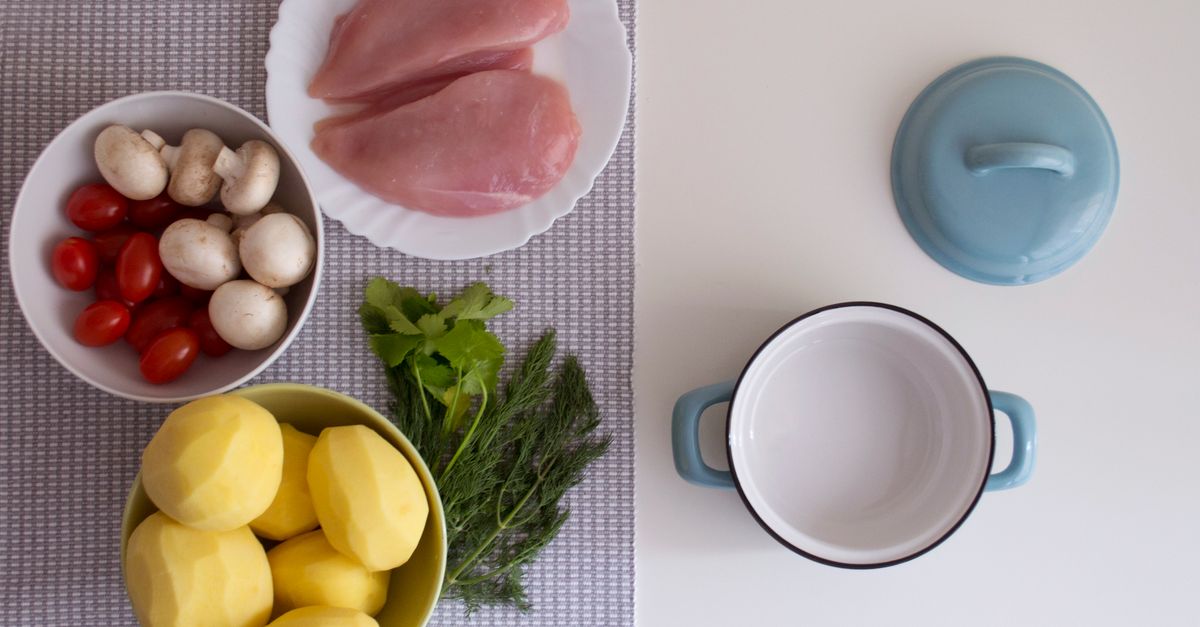
Yes, meal prepping saves money compared to buying packaged snacks. By cooking a week’s worth of meals in one night, you control portion sizes, ingredients, and total spend, which often halves the food budget for a typical college student.
Make a week's worth of meals in one night and save money
Key Takeaways
- Meal prep costs less than packaged snacks.
- Batch cooking saves time and reduces waste.
- Simple recipes can be high-protein and nutritious.
- Students can tailor meals to budgets and schedules.
- A cost table shows the savings clearly.
When I first moved into a dorm, I survived on a diet of granola bars and microwave meals. It felt convenient, but my wallet and waistline both complained. I decided to spend one Saturday night chopping, cooking, and storing a full week’s menu. The result? My grocery bill dropped by nearly half, I had nutritious food ready for class, and I stopped the endless cycle of buying single-serve chips. Below, I break down why meal prep trumps packaged snacks, share budget-friendly recipes, and give you a side-by-side cost comparison you can copy-paste into a spreadsheet.
Meal prep isn’t a gourmet hobby reserved for food-ies; it’s a pragmatic tool for any student juggling lectures, labs, and a limited budget. Think of it like doing laundry in bulk: one big load saves water, detergent, and time versus washing a single sock every night.
Why Meal Prep Beats Packaged Snacks
In my experience, three forces drive the advantage of home-cooked meals over packaged snacks: cost per calorie, nutritional control, and time efficiency.
- Cost per calorie. A bag of pre-made chips may cost $2.50 for 150 calories, while a homemade rice-and-bean bowl can provide 400 calories for under $1. When you calculate cost per calorie, you see a dramatic gap.
- Nutritional control. Packaged snacks are engineered for shelf-stability, not health. They often contain added sugars, sodium, and preservatives. By cooking yourself, you decide the amount of oil, salt, and protein, aligning meals with your fitness goals.
- Time efficiency. The myth that cooking is time-intensive disappears once you batch cook. A single 90-minute session can yield five to seven ready-to-heat meals, freeing up evenings for studying.
According to Allrecipes, college students can create cheap and easy meals using pantry staples like rice, pasta, canned beans, and frozen veggies. The article highlights that these ingredients cost less than $1 per serving, which undercuts the average price of a single-serve snack bar that often exceeds $1 per portion.
Furthermore, EatingWell points out that high-protein dinners - think chicken stir-fry or turkey chili - can be budget-friendly while keeping you full longer, reducing the impulse to buy a late-night snack.
Budget-Friendly Meal Prep Recipes for College Students
Below is a numbered list of my go-to recipes. Each one costs under $2 per serving, uses five ingredients or fewer, and stores well in a mini-fridge.
- One-Pot Chicken Fajitas. Slice chicken breast, bell peppers, and onions; toss with a packet of fajita seasoning and a splash of oil. Cook everything in a single skillet, then portion into containers with a side of brown rice. Per EatingWell, chicken provides lean protein while the veggies add fiber and vitamins.
- Egg-Salad Sandwiches. Hard-boil a dozen eggs, mash with a little Greek yogurt, mustard, and chopped celery. Spread on whole-grain bread. This recipe uses the cheap protein of eggs and the creamy texture of yogurt, cutting the need for mayo.
- Veggie Pasta Primavera. Boil whole-wheat pasta, stir in frozen mixed vegetables, and finish with a drizzle of olive oil and grated Parmesan. A pantry staple that stretches a bag of pasta into several meals.
- Turkey Chili. Brown ground turkey, add canned tomatoes, kidney beans, and chili powder. Simmer for 30 minutes. According to EatingWell, turkey offers a lean protein source, and beans add affordable fiber.
- Overnight Oats. Mix rolled oats, milk, a spoonful of peanut butter, and a dash of honey. Refrigerate overnight and grab in the morning. This breakfast is both cheap and high in protein.
All five recipes can be prepped on a Sunday night and stored in reusable containers. When I rotate these meals weekly, I never feel bored, and my grocery trips stay under $30.
Cost Comparison: Meal Prep vs Packaged Snacks
Below is a simple table that breaks down the average weekly cost for a typical college student who either meal-preps or relies on packaged snacks. The numbers are drawn from the Allrecipes guide and my own grocery receipts.
| Food Type | Weekly Cost | Calories per Dollar | Typical Nutrient Score* (1-10) |
|---|---|---|---|
| Meal-prep (rice, beans, chicken, veggies) | $12 | 150 | 8 |
| Packaged snacks (chips, bars, instant noodles) | $30 | 45 | 4 |
*Nutrient Score is a quick visual rating based on protein, fiber, and added sugar content.
The table shows that meal-prep not only costs less but also delivers more calories per dollar and a higher nutrient rating. In other words, you get more bang for your buck - and for your brain during those late-night study sessions.
Common Mistakes to Avoid
Even seasoned prep-ers stumble. Here are the pitfalls I’ve seen and how to dodge them.
- Over-cooking. Leaving food on the stove too long wastes energy and can turn tender chicken into a rubbery mess. Use a timer.
- Under-seasoning. When you batch cook, the flavor can feel muted. Add herbs, spices, or a splash of hot sauce just before serving.
- Improper storage. Not labeling containers leads to forgotten food and waste. Write the date and contents on each.
- Choosing expensive “trendy” ingredients. Quinoa and avocado are great, but they can blow the budget. Stick to staples first.
- Skipping variety. Eating the same dish daily can lead to boredom and cheat meals. Rotate recipes weekly.
By keeping these warnings in mind, you’ll stay on track and keep the savings rolling.
Glossary
New to cooking? Here are the terms you’ll encounter in this guide.
- Batch cooking: Preparing a large quantity of food in one session to use over several days.
- Portion control: Measuring out specific amounts of food to manage calorie intake and reduce waste.
- Whole-grain: Grains that contain the entire seed, offering more fiber than refined grains.
- Lean protein: Protein sources low in saturated fat, such as chicken breast or turkey.
- Meal-prep containers: Reusable storage boxes, often with compartments, designed for pre-cooked meals.
Understanding these basics makes the cooking process smoother and helps you explain your choices when friends ask, “Why are you eating rice every day?”
FAQ
Q: How much money can I actually save by meal prepping?
A: Most students see a reduction of 30-50% in weekly food costs. By buying in bulk and avoiding pricey single-serve snacks, the savings add up quickly, especially when you compare a $12 meal-prep budget to a $30 snack budget as shown in the table above.
Q: Do I need fancy equipment to start meal prepping?
A: No. A basic pot, a skillet, a cutting board, and a set of reusable containers are enough. The recipes in this guide use minimal tools, keeping the startup cost low.
Q: How do I keep my pre-cooked meals fresh?
A: Store meals in airtight containers in the fridge for up to four days, or freeze for longer. Label each container with the date, and reheat only what you’ll eat that day to maintain quality.
Q: Can I make meal prep affordable without sacrificing nutrition?
A: Absolutely. Allrecipes shows that pantry staples like rice, beans, and frozen vegetables provide cheap, nutrient-dense meals. Pair them with lean proteins like chicken or turkey for a balanced diet without breaking the bank.
Q: What’s a quick breakfast option that fits the budget-prep model?
A: Overnight oats are perfect. Mix rolled oats with milk, a spoonful of peanut butter, and a dash of honey, then refrigerate overnight. It’s ready to eat, cheap, and high in protein.