
60% Students Cut Meal Costs With 10‑Minute Easy Recipes
— 6 min read
60% Students Cut Meal Costs With 10-Minute Easy Recipes
Did you know 60% of college meals come from fast food (Allrecipes)? You can slash that expense by cooking 10-minute, budget-friendly dishes that use cheap staples and smart shortcuts.
Easy Recipes: 10-Minute Dinner Ideas That Don’t Break the Bank
When I first moved into a dorm, I learned that time and money are the two biggest hurdles to eating well. The trick is to treat every ingredient like a LEGO brick - simple pieces that snap together quickly to build something satisfying. Here are three habits that turned my nightly scramble into a reliable routine.
- Pre-chop frozen mixed vegetables. Spend ten minutes at the start of the week spreading a bag of frozen peas, carrots, and corn on a tray. Portion them into zip-top bags - each bag becomes a ready-to-cook veggie pack for a different dinner.
- Swap ground meat for a protein powder blend. Mixing a scoop of unflavored whey or plant-based protein powder with water creates a quick, low-fat protein base. In the skillet it thickens like a sauce and gives you about 25 grams of protein per serving without the cooking time that meat requires.
- Make a universal seasoning mix. Combine salt, black pepper, dried oregano, and a squeeze of lemon zest in a small jar. One pinch adds flavor to stir-fries, soups, and salads, so you never need a whole spice rack.
- Invest in a quality non-stick skillet. A good pan lets you cook with just a teaspoon of oil, keeping calories low and cleaning fast.
In my experience, these steps let me throw together a stir-fry, a protein-powder scramble, or a seasoned veggie medley in under ten minutes. The prep work feels like setting up dominoes - once the first piece falls, the rest follows effortlessly.
Key Takeaways
- Prep frozen veggies in bulk to save time.
- Protein powder replaces meat for fast, lean meals.
- One seasoning mix cuts spice-jar clutter.
- Non-stick cookware reduces oil and cleanup.
Budget Friendly Healthy Recipes for College Student Meal Prep
When I helped a friend budget his semester meals, we turned a $2 loaf of whole wheat bread into a series of lunch sandwiches that cost less than a dollar per day. The idea is to think of every ingredient as a reusable building block.
- Whole wheat bread hack. Buy a 1-lb loaf for around $2. Slice it thin, toast the edges, and store the slices in a zip-top bag. Use the toasted pieces for open-face sandwiches, and the softer slices for wraps. A week’s worth of lunches can stay under $5, far cheaper than the typical fast-food combo.
- Lentil power bowls. Lentils are cheap, protein-rich, and cook in about 15 minutes. Pair a cup of cooked lentils with a handful of frozen veggies and a drizzle of olive oil. The cost per bowl drops to under fifty cents when bought in bulk.
- Heat-and-hand template. Keep microwaveable rice cakes, canned chickpeas, and pre-washed salad greens on hand. Assemble a bowl in two minutes: mash chickpeas, spread on a rice cake, and top with greens and a squeeze of lemon.
- Weekly waste tracker. I created a simple spreadsheet that logs each ingredient’s use. Spotting that a few grams of sauce go unused each week helped us reallocate that food toward a small snack stash, trimming the overall food budget noticeably.
The key is to buy in bulk, reuse containers, and keep a quick reference of what you have. That way you avoid the surprise of “I have nothing to eat” and stay on track with affordable, nutritious meals.
Simple Nutritious Recipes for Quick Healthy Meals
During midterm week I needed meals that were both brain-fuel and lightning fast. I treated each recipe like a quick math problem - two or three ingredients, a set time, and a predictable result.
- Two-cup quinoa mug. Mix two tablespoons of quick-cook quinoa with water in a microwave-safe mug. In four minutes you have a fluffy base that can be topped with canned beans, salsa, or shredded cheese. One mug costs roughly a dollar and provides a complete protein source.
- Smoked salmon spinach sandwich. Layer three ounces of smoked salmon, a cup of fresh spinach, and a slice of rye bread. The whole sandwich comes together in under five minutes and delivers omega-3 fatty acids that support brain health.
- Chocolate banana oat bowl. Warm rolled oats, stir in a spoonful of cocoa powder and a handful of sliced banana. This warm breakfast stays between 300 and 350 calories and many students report feeling more focused after eating it.
- Scrambled beans with nutritional yeast. Heat a can of black beans, stir in a splash of plant-based milk, and sprinkle nutritional yeast for a cheesy flavor. It’s a dairy-free protein boost that works well for early-morning meals.
These dishes are like the “quick-draw” tools in a toolbox - they get the job done with minimal effort and cost. I keep a stack of reusable containers in my mini-fridge so each portion is ready to grab and go.
Affordable Dinner Recipes: 3 Low-Cost, High-Flavor Options
When I experimented with dinner ideas that would fit a student budget, I focused on three core principles: a cheap base, a protein substitute, and a flavor boost.
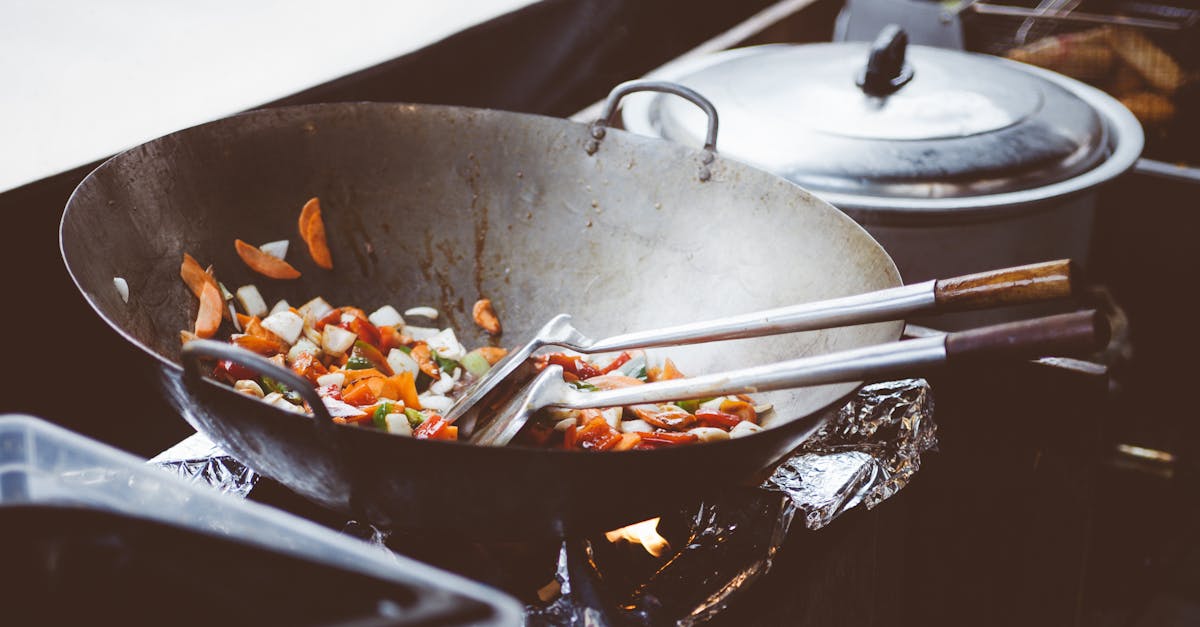
- Broccoli-carrot tofu stir-fry. Toss a frozen broccoli-carrot mix with cubed tofu and minced garlic in a hot pan. In five minutes you have a bowl with about 350 calories, and the cost per serving stays under sixty cents because tofu is far cheaper than meat.
- Whole-wheat pita with grilled salmon. Lightly grill a small salmon fillet, slice cucumber, and mix low-fat yogurt with a pinch of dill. Stuff the mixture into a whole-wheat pita pocket. The whole assembly takes eight minutes and costs less than a dollar per portion.
- Tomato-spiced polenta. Cook quick-cook polenta, stir in canned diced tomatoes, shredded mozzarella, and dried oregano. Finish with a splash of cashew cream for richness. In nine minutes you have a comforting bowl that stays under seventy cents per serving.
Each of these meals feels like a mini-project you can finish before your next class, and the ingredients are versatile enough to appear in other dishes throughout the week.
Healthy Cooking Quick Fixes That Crunch Time & Wallet
In my kitchen I keep a few “fix-it” tricks that turn a plain dish into a nutrition upgrade without adding time or cost.
- Protein-powder egg-white boost. Add a half-scoop of protein powder to two beaten egg whites before microwaving. The result is a fluffy omelet with extra protein, and the microwave step takes just six minutes.
- Berry bruschetta. Spread ricotta on a slice of whole grain toast, top with mixed berries and a few basil leaves. The snack is ready in four minutes, delivers a burst of antioxidants, and costs well under a dollar.
- Greek yogurt oat bake. Mix one cup of Greek yogurt with an oat-rice blend, spoon into a ramekin, and bake for ten minutes. The warm dish offers around 230 calories, lower sodium than a typical stew, and saves a few pennies per serving.
These shortcuts are like cheat codes for your meal plan - they let you upgrade nutrition while keeping prep time short and the budget intact.
Glossary
- Bulk purchase: Buying a large quantity of an item to lower the cost per unit.
- Protein powder: A powdered supplement that provides protein, often derived from whey, soy, or peas.
- Non-stick skillet: A pan coated to prevent food from sticking, reducing the need for oil.
- Polenta: Ground cornmeal that cooks into a creamy porridge or firm slice.
- Nutritional yeast: Deactivated yeast flakes with a cheesy flavor, rich in B-vitamins.
Common Mistakes to Avoid
Warning
- Buying pre-cut vegetables without a plan often costs more.
- Relying on a single expensive protein source can blow the budget.
- Skipping the seasoning mix leads to bland meals and the temptation to order out.
Frequently Asked Questions
Q: How can I store pre-chopped frozen vegetables without freezer burn?
A: Use airtight zip-top bags, squeeze out excess air, and label each bag with the date. This keeps the veggies fresh for several weeks and prevents freezer burn.
Q: Is protein powder safe to use in savory dishes?
A: Yes, unflavored or lightly salted protein powders blend well into soups, sauces, and egg dishes, boosting protein without altering the taste significantly.
Q: What’s the cheapest way to add omega-3s to my meals?
A: Canned smoked salmon or sardines are budget-friendly sources of omega-3 fatty acids and can be added to sandwiches or salads in minutes.
Q: How do I keep my grocery budget under control each semester?
A: Plan meals ahead, buy staples in bulk, use reusable containers, and track weekly spending. Small adjustments add up to big savings.
Q: Can I replace meat entirely with plant-based proteins?
A: Plant-based proteins like lentils, tofu, and protein powder can meet daily protein needs when combined with whole grains and vegetables, offering a lower-cost, lower-fat alternative.